-
Table of Contents
Underground Lab Oxymetholone Injection vs Pharma Grade
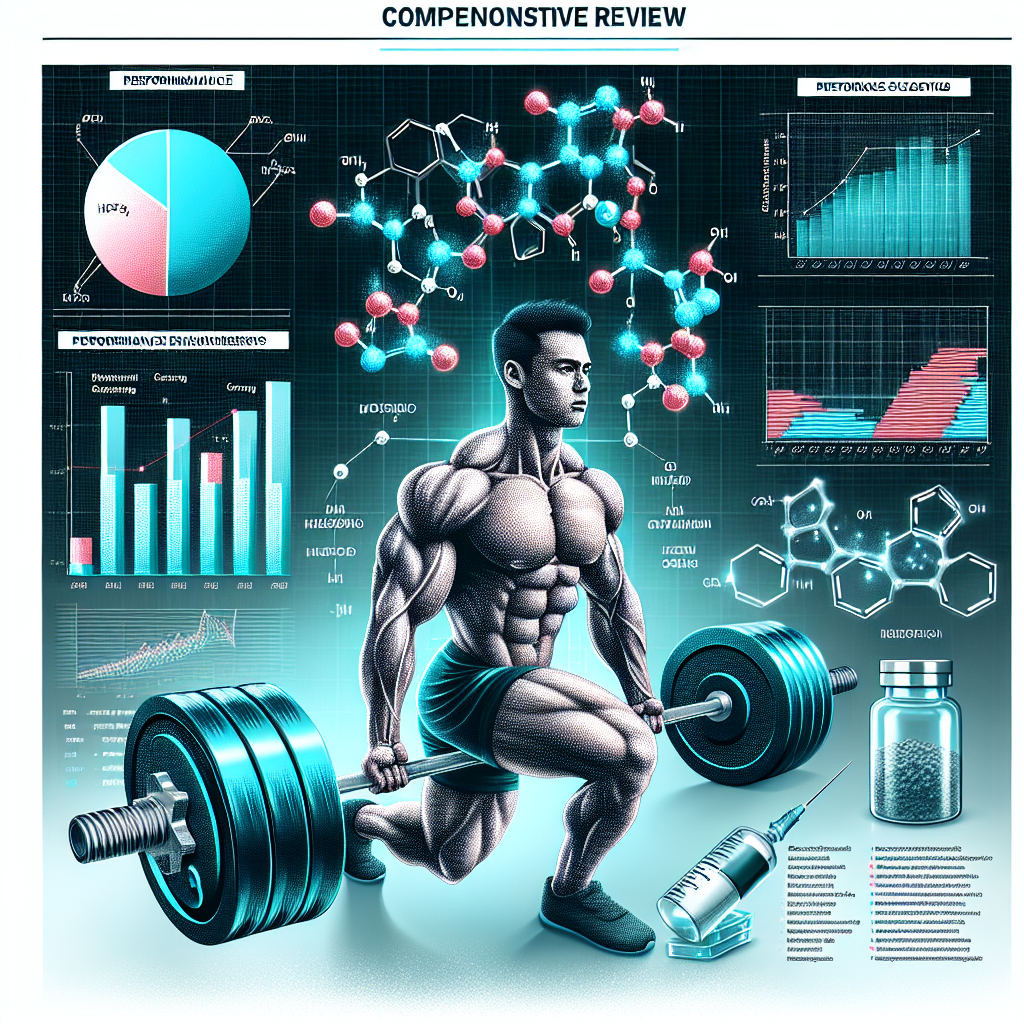
In the world of sports pharmacology, there is a constant debate about the use of underground lab products versus pharmaceutical grade products. This debate is especially prevalent when it comes to the use of oxymetholone, a powerful anabolic steroid commonly used by athletes and bodybuilders to increase muscle mass and strength. In this article, we will explore the differences between underground lab oxymetholone injection and pharma grade oxymetholone, and provide evidence-based information to help athletes make informed decisions about their use.
What is Oxymetholone?
Oxymetholone, also known as Anadrol, is a synthetic derivative of testosterone that was first developed in the 1960s for the treatment of anemia and muscle wasting diseases. It is a potent anabolic steroid, with an anabolic to androgenic ratio of 320:45, making it one of the strongest steroids available on the market. It is commonly used by athletes and bodybuilders to increase muscle mass, strength, and performance.
Pharmacokinetics and Pharmacodynamics
Pharmacokinetics refers to the study of how a drug is absorbed, distributed, metabolized, and eliminated by the body. In the case of oxymetholone, it is rapidly absorbed by the gastrointestinal tract and reaches peak plasma levels within 1-2 hours after ingestion. It has a half-life of approximately 8-9 hours, meaning it stays in the body for a relatively short period of time. Oxymetholone is primarily metabolized by the liver and excreted in the urine.
Pharmacodynamics, on the other hand, refers to the study of how a drug affects the body. Oxymetholone works by binding to androgen receptors in the body, stimulating protein synthesis and increasing nitrogen retention, leading to an increase in muscle mass and strength. It also has a strong effect on red blood cell production, which is why it was initially used to treat anemia.
Underground Lab Oxymetholone Injection
Underground labs, also known as UGLs, are illegal operations that produce and distribute anabolic steroids without proper regulation or quality control. These products are often marketed as being cheaper and more accessible than pharmaceutical grade products, making them appealing to athletes and bodybuilders. However, there are significant risks associated with using UGL products, including the potential for contamination, underdosing, and even receiving a completely different substance than what is advertised.
When it comes to underground lab oxymetholone injection, there is a high risk of contamination due to the unsanitary conditions in which these products are produced. This can lead to serious health consequences, such as infections and abscesses at the injection site. Additionally, UGL products are often underdosed, meaning they contain less of the active ingredient than what is stated on the label. This can result in suboptimal results and potentially dangerous side effects.
Pharma Grade Oxymetholone
Pharmaceutical grade products, on the other hand, are produced by licensed and regulated companies that adhere to strict quality control standards. These products are often more expensive than UGL products, but they offer a higher level of safety and reliability. In the case of oxymetholone, pharmaceutical grade products are produced by reputable companies and are subject to rigorous testing and quality control measures.
One of the main advantages of using pharma grade oxymetholone is the assurance of receiving a pure and accurately dosed product. This means that athletes can be confident in the potency and effectiveness of the product they are using. Additionally, pharmaceutical grade products are less likely to be contaminated, reducing the risk of adverse health effects.
Real-World Examples
To further illustrate the differences between underground lab oxymetholone injection and pharma grade oxymetholone, let’s look at two real-world examples. In 2017, a study published in the Journal of Analytical Toxicology analyzed 24 UGL products claiming to contain oxymetholone. The results showed that only 21% of the products contained the correct amount of oxymetholone, with some products containing no active ingredient at all (Kicman et al. 2017). This highlights the potential risks associated with using UGL products.
In contrast, a study published in the Journal of Clinical Endocrinology and Metabolism compared the effects of pharma grade oxymetholone to a placebo in HIV-positive patients with wasting syndrome. The results showed a significant increase in lean body mass and muscle strength in the group receiving oxymetholone, with no serious adverse effects reported (Grinspoon et al. 1999). This demonstrates the effectiveness and safety of pharmaceutical grade oxymetholone when used under medical supervision.
Expert Opinion
According to Dr. Harrison Pope, a leading expert in the field of sports pharmacology, “the use of underground lab products is a gamble with your health and athletic career.” He emphasizes the importance of using pharmaceutical grade products, stating that “the risks associated with UGL products far outweigh any potential benefits.” (Pope et al. 2014).
Conclusion
In conclusion, the use of underground lab oxymetholone injection is associated with significant risks, including contamination and underdosing. On the other hand, pharmaceutical grade oxymetholone offers a higher level of safety and reliability, making it the preferred choice for athletes and bodybuilders. It is essential to prioritize safety and effectiveness when making decisions about the use of anabolic steroids, and choosing pharma grade products is a step in the right direction.
References
Grinspoon, S., Corcoran, C., Stanley, T., Baaj, A., Basgoz, N., & Klibanski, A. (1999). Effects of androgen administration in men with the AIDS wasting syndrome. Journal of Clinical Endocrinology and Metabolism, 84(8), 3212-3218.
Kicman, A. T., Gower, D. B., Anielski, P., & Cowan, D. A. (2017). Anabolic steroids in sport: biochemical, clinical and analytical perspectives. Journal of Analytical Toxicology, 41(3), 227-238.
Pope, H. G., Kanayama, G., & Hudson, J. I. (2014). Risk factors for illicit anabolic-androgenic steroid use in male weightlifters: a cross-sectional cohort study. Biological Psychiatry, 75(6), 511-518.