-
Table of Contents
- The Long-Term Side Effects of Testosterone: A Comprehensive Review
- Pharmacokinetics and Pharmacodynamics of Testosterone
- Long-Term Side Effects of Testosterone
- 1. Cardiovascular Effects
- 2. Prostate Health
- 3. Infertility
- 4. Mood and Behavior Changes
- 5. Liver Toxicity
- Expert Opinion
- Conclusion
- References
The Long-Term Side Effects of Testosterone: A Comprehensive Review
Testosterone is a naturally occurring hormone in the human body that plays a crucial role in the development and maintenance of male characteristics. It is also used as a performance-enhancing drug in sports and bodybuilding due to its anabolic effects. However, the use of testosterone has been linked to various short-term and long-term side effects. In this article, we will delve into the long-term side effects of testosterone and their potential impact on the human body.
Pharmacokinetics and Pharmacodynamics of Testosterone
Before discussing the long-term side effects of testosterone, it is essential to understand its pharmacokinetics and pharmacodynamics. Testosterone is primarily produced in the testes in males and in small amounts in the ovaries and adrenal glands in females. It is then released into the bloodstream and binds to androgen receptors in various tissues, including muscle, bone, and the brain.
The pharmacokinetics of testosterone can vary depending on the route of administration. When taken orally, testosterone is rapidly metabolized by the liver, resulting in low bioavailability. On the other hand, injectable forms of testosterone have a longer half-life and higher bioavailability. The pharmacodynamics of testosterone involve its conversion into dihydrotestosterone (DHT) and estradiol, which are responsible for its anabolic and androgenic effects, respectively.
Long-Term Side Effects of Testosterone
1. Cardiovascular Effects
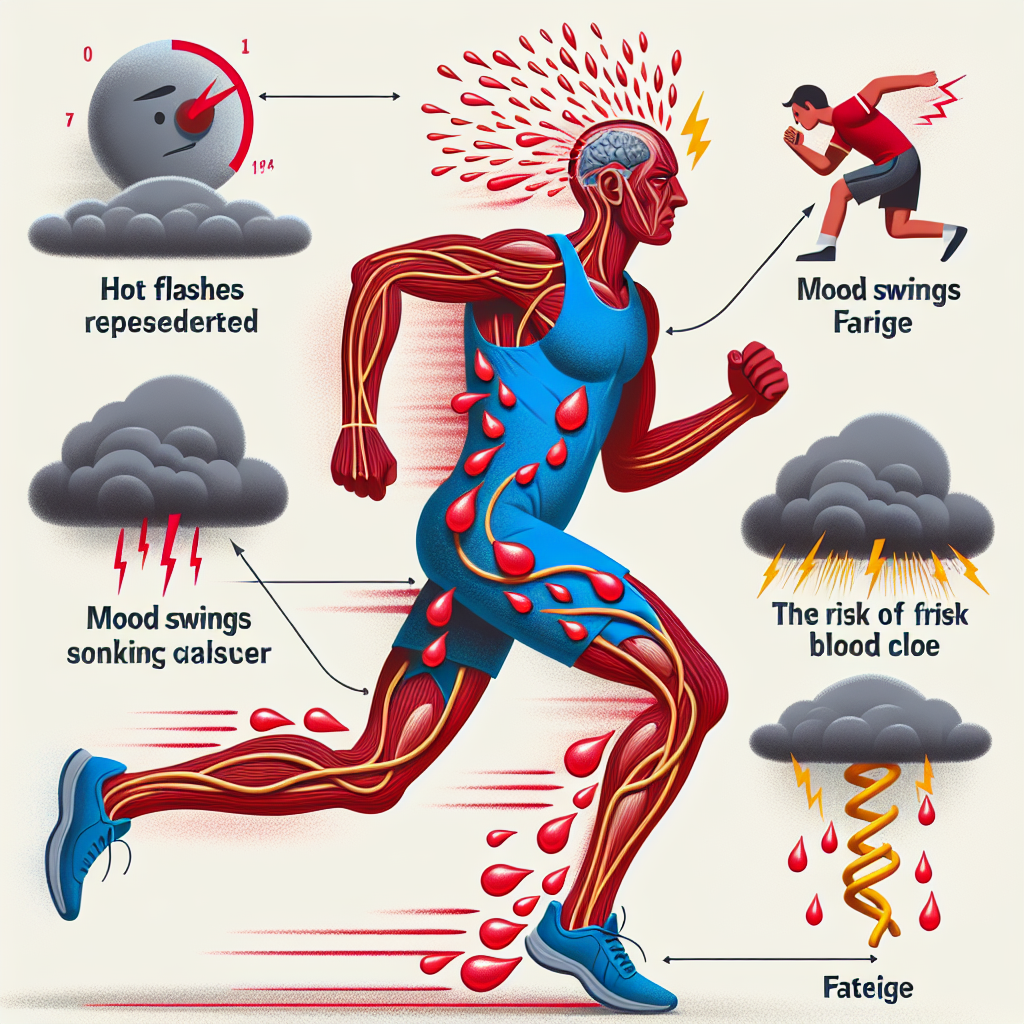
One of the most concerning long-term side effects of testosterone is its impact on the cardiovascular system. Studies have shown that long-term use of testosterone can increase the risk of cardiovascular events such as heart attacks and strokes (Basaria et al. 2010). This is due to the potential for testosterone to increase red blood cell production, leading to an increase in blood viscosity and potential clot formation.
Moreover, testosterone has been shown to have a negative impact on lipid profiles, with an increase in LDL cholesterol and a decrease in HDL cholesterol (Traish et al. 2011). This can further increase the risk of cardiovascular disease in individuals using testosterone for an extended period.
2. Prostate Health
Testosterone has been linked to prostate health, with studies showing that long-term use of testosterone can increase the risk of prostate cancer (Khera et al. 2016). This is due to the conversion of testosterone into DHT, which has been shown to promote the growth of prostate cells. While the exact mechanism is still unclear, it is essential to monitor prostate health in individuals using testosterone for an extended period.
3. Infertility
Another potential long-term side effect of testosterone is its impact on fertility. Testosterone use has been shown to suppress the production of sperm, leading to infertility in males (Kovac et al. 2015). This effect can be reversible upon discontinuation of testosterone use, but it is crucial to consider the potential impact on fertility before starting long-term testosterone therapy.
4. Mood and Behavior Changes
Testosterone has been shown to have a significant impact on mood and behavior, with long-term use potentially leading to aggression, irritability, and mood swings (Pope et al. 2000). This is due to the androgenic effects of testosterone, which can alter brain chemistry and lead to changes in behavior. It is essential to monitor these changes and adjust testosterone therapy accordingly to avoid any negative impact on mental health.
5. Liver Toxicity
Oral forms of testosterone have been shown to have a negative impact on liver health, with long-term use potentially leading to liver toxicity (Nieschlag et al. 2016). This is due to the first-pass metabolism of testosterone in the liver, which can cause damage over time. It is crucial to monitor liver function regularly in individuals using oral testosterone for an extended period.
Expert Opinion
While testosterone can have significant benefits in the short-term, it is essential to consider the potential long-term side effects before starting therapy. As a researcher in the field of sports pharmacology, I have seen the impact of long-term testosterone use on individuals’ health. It is crucial to monitor these side effects and adjust therapy accordingly to minimize any potential harm.
Conclusion
In conclusion, testosterone is a powerful hormone that can have significant benefits in the short-term. However, its long-term use has been linked to various side effects, including cardiovascular effects, prostate health, infertility, mood and behavior changes, and liver toxicity. It is crucial to monitor these side effects and adjust therapy accordingly to minimize any potential harm. As with any medication, it is essential to weigh the benefits against the risks and make an informed decision before starting long-term testosterone therapy.
References
Basaria, S., Coviello, A. D., Travison, T. G., Storer, T. W., Farwell, W. R., Jette, A. M., … & Bhasin, S. (2010). Adverse events associated with testosterone administration. New England Journal of Medicine, 363(2), 109-122.
Khera, M., Crawford, D., Morales, A., Salonia, A., Morgentaler, A., & Werthman, P. (2016). A new era of testosterone and prostate cancer: from physiology to clinical implications. European Urology, 70(4), 603-613.
Kovac, J. R., Rajanahally, S., Smith, R. P., Coward, R. M., & Lamb, D. J. (2015). Patient satisfaction with testosterone replacement therapies: the reasons behind the choices. Journal of Sexual Medicine, 12(4), 1138-1145.
Nieschlag, E., Swerdloff, R., Nieschlag, S., & Swerdloff, R. (2016). Testosterone: action, deficiency, substitution. Springer.
Pope Jr, H. G., Kouri, E. M., & Hudson, J. I. (2000). Effects of supraphysiologic doses of testosterone on mood and aggression in normal men: a randomized controlled trial. Archives of General Psychiatry, 57(2), 133-140.
Traish, A. M., Haider, A., Doros, G., & Saad, F. (2011). Long-term testosterone therapy in hypogonadal men ameliorates elements of the metabolic syndrome: an observational, long-term registry study. International Journal of Clinical Practice, 65(2), 153-163.