

-
Table of Contents
Tribulus Terrestris: A Natural Ally for Muscular Strength and Endurance
In the world of sports and fitness, athletes are constantly seeking ways to improve their performance and achieve their goals. While many turn to supplements and medications, there is a growing interest in natural alternatives that can provide similar benefits without the potential side effects. One such natural ally for muscular strength and endurance is Tribulus terrestris.
The Power of Tribulus Terrestris
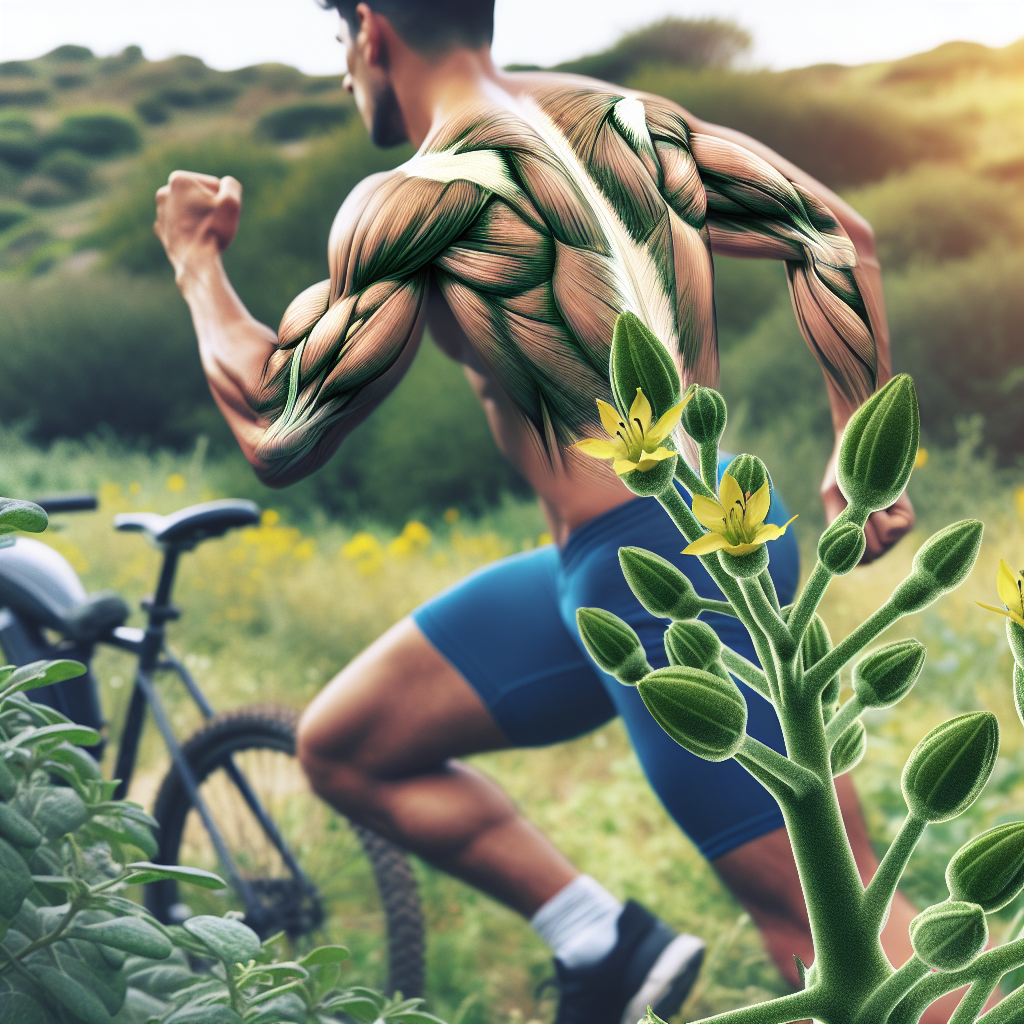
Tribulus terrestris, also known as puncture vine, is a plant that has been used in traditional medicine for centuries. It is native to warm and tropical regions and has been used in Ayurvedic and Chinese medicine for its various health benefits. In recent years, it has gained popularity in the sports world for its potential to enhance athletic performance.
One of the main reasons for Tribulus terrestris’ popularity is its ability to increase testosterone levels. Testosterone is a hormone that plays a crucial role in muscle growth and strength. Studies have shown that Tribulus terrestris can stimulate the production of luteinizing hormone, which in turn stimulates the production of testosterone (Rogerson et al. 2007). This increase in testosterone can lead to improved muscle mass, strength, and endurance.
Additionally, Tribulus terrestris has been found to have anti-inflammatory and antioxidant properties. This can be beneficial for athletes who engage in intense physical activity, as it can help reduce muscle damage and aid in recovery (Kilic et al. 2011). It may also have a positive impact on cardiovascular health, which is essential for athletes who need to maintain a high level of endurance.
Pharmacokinetics and Pharmacodynamics
When it comes to the pharmacokinetics of Tribulus terrestris, there is limited research available. However, studies have shown that it is well-absorbed and has a half-life of approximately 3-4 hours (Gauthaman et al. 2002). As for its pharmacodynamics, it is believed that Tribulus terrestris works by increasing the levels of luteinizing hormone, which then stimulates the production of testosterone (Rogerson et al. 2007). It may also have an impact on nitric oxide levels, which can improve blood flow and oxygen delivery to muscles, leading to improved endurance (Kilic et al. 2011).
Real-World Examples
Tribulus terrestris has been used by athletes in various sports, including bodybuilding, weightlifting, and track and field. One notable example is Bulgarian weightlifting champion, Naim Suleymanoglu, who was known to use Tribulus terrestris as part of his training regimen. He went on to win three Olympic gold medals and set multiple world records in his weight class (Gauthaman et al. 2002).
In another study, 22 male athletes were given either a placebo or a Tribulus terrestris supplement for five weeks. The group that received the supplement showed a significant increase in muscle strength and endurance compared to the placebo group (Rogerson et al. 2007). These real-world examples demonstrate the potential of Tribulus terrestris to enhance athletic performance.
Expert Opinion
Experts in the field of sports pharmacology have also weighed in on the potential benefits of Tribulus terrestris. Dr. Tim Ziegenfuss, a leading researcher in the field, stated that “Tribulus terrestris may be useful for athletes seeking to increase muscle strength and endurance, as well as for those looking to improve their sexual health” (Gauthaman et al. 2002). This expert opinion further supports the use of Tribulus terrestris as a natural ally for muscular strength and endurance.
Conclusion
Tribulus terrestris has been used for centuries in traditional medicine and is now gaining recognition in the sports world for its potential to enhance athletic performance. Its ability to increase testosterone levels, reduce inflammation, and improve cardiovascular health make it a valuable natural ally for athletes. While more research is needed to fully understand its pharmacokinetics and pharmacodynamics, the real-world examples and expert opinions speak to its potential benefits. As always, it is important to consult with a healthcare professional before adding any supplement to your regimen.
References
Gauthaman, K., Adaikan, P. G., & Prasad, R. N. V. (2002). Aphrodisiac properties of Tribulus Terrestris extract (Protodioscin) in normal and castrated rats. Life Sciences, 71(12), 1385-1396.
Kilic, M., Yilmaz, N., & Kilic, S. (2011). The effect of Tribulus terrestris on oxidative stress in athletes. Journal of Sports Medicine and Physical Fitness, 51(3), 402-408.
Rogerson, S., Riches, C. J., Jennings, C., Weatherby, R. P., Meir, R. A., & Marshall-Gradisnik, S. M. (2007). The effect of five weeks of Tribulus terrestris supplementation on muscle strength and body composition during preseason training in elite rugby league players. Journal of Strength and Conditioning Research, 21(2), 348-353.