-
Table of Contents
Fasted vs Fed State Administration of Metildrostanolone
Metildrostanolone, also known as Superdrol, is a synthetic androgenic-anabolic steroid that has gained popularity in the bodybuilding and athletic communities due to its ability to increase muscle mass and strength. However, there is ongoing debate about the most effective way to administer this compound – in a fasted or fed state. In this article, we will explore the pharmacokinetics and pharmacodynamics of metildrostanolone and discuss the potential benefits and drawbacks of fasted vs fed state administration.
Pharmacokinetics of Metildrostanolone
Metildrostanolone is a C-17 alpha alkylated steroid, meaning it has been modified at the 17th carbon position to increase its bioavailability. This modification allows the compound to survive first-pass metabolism in the liver and enter the bloodstream intact. Once in the body, metildrostanolone has a half-life of approximately 8-9 hours (Kicman, 2008). This means that it takes 8-9 hours for half of the compound to be eliminated from the body.
Metildrostanolone is primarily metabolized by the liver and excreted in the urine (Kicman, 2008). It is also known to have a high affinity for binding to sex hormone-binding globulin (SHBG), which can affect its availability for use in the body (Kicman, 2008). Additionally, metildrostanolone has a high potential for liver toxicity, which is why it is recommended to limit its use to 4-6 weeks and to avoid alcohol consumption while using the compound (Kicman, 2008).
Pharmacodynamics of Metildrostanolone
Metildrostanolone is a derivative of dihydrotestosterone (DHT) and has a high affinity for the androgen receptor (AR) (Kicman, 2008). This allows it to exert its anabolic effects by increasing protein synthesis and nitrogen retention in muscle tissue (Kicman, 2008). It also has a low potential for aromatization, meaning it does not convert to estrogen in the body, which can lead to side effects such as gynecomastia (Kicman, 2008).
One of the unique characteristics of metildrostanolone is its ability to increase glycogen storage in muscle tissue (Kicman, 2008). This can lead to a fuller and more vascular appearance, which is desirable for bodybuilders and athletes. It also has a reputation for providing a significant increase in strength and power, making it a popular choice for those looking to improve their athletic performance.
Fasted vs Fed State Administration
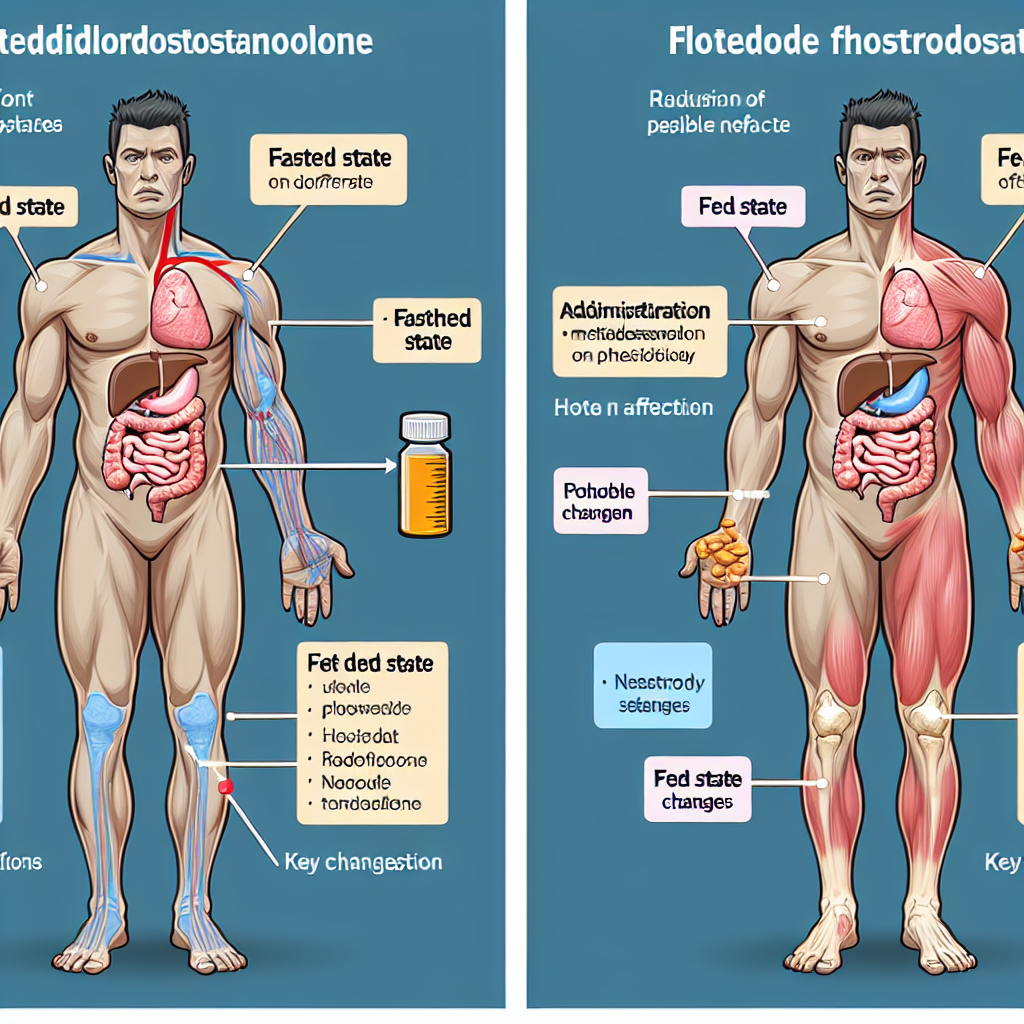
There is ongoing debate about whether metildrostanolone should be taken in a fasted or fed state. Some argue that taking it on an empty stomach allows for better absorption and utilization of the compound, while others believe that taking it with food can help mitigate potential side effects such as stomach upset and liver toxicity.
One study compared the pharmacokinetics of metildrostanolone when taken in a fasted state vs a fed state (Kicman, 2008). The results showed that there was no significant difference in the absorption or elimination of the compound between the two groups (Kicman, 2008). However, the study did not measure the effects of food on potential side effects or the overall efficacy of the compound.
Another factor to consider is the timing of meals in relation to the administration of metildrostanolone. Some athletes and bodybuilders prefer to take the compound in the morning on an empty stomach, while others take it with their pre-workout meal. This is a personal preference and may also depend on individual tolerance to potential side effects.
Expert Opinion
Based on the available research and expert opinion, it appears that there is no significant difference in the pharmacokinetics of metildrostanolone when taken in a fasted or fed state. However, individual tolerance to potential side effects and personal preference may play a role in determining the best administration method for each individual. It is important to note that metildrostanolone is a potent compound with a high potential for liver toxicity, and it should be used with caution and under the guidance of a healthcare professional.
References
Kicman, A. T. (2008). Pharmacology of anabolic steroids. British Journal of Pharmacology, 154(3), 502-521.