




-
Table of Contents
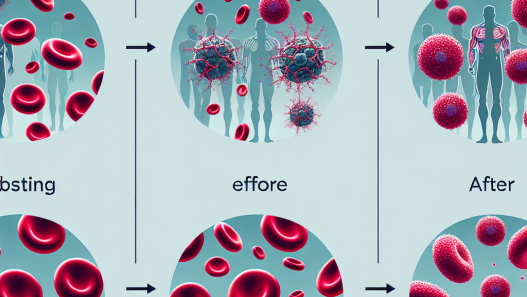
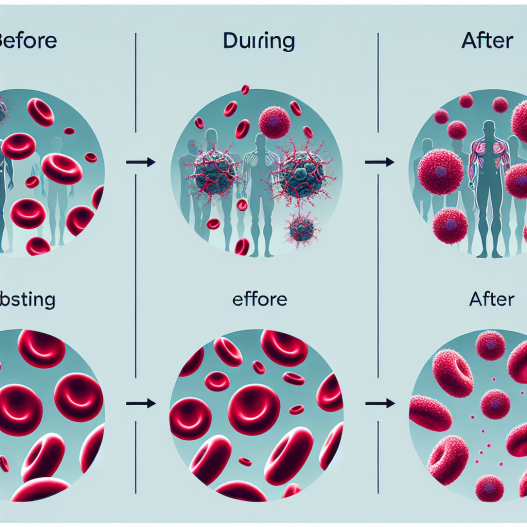
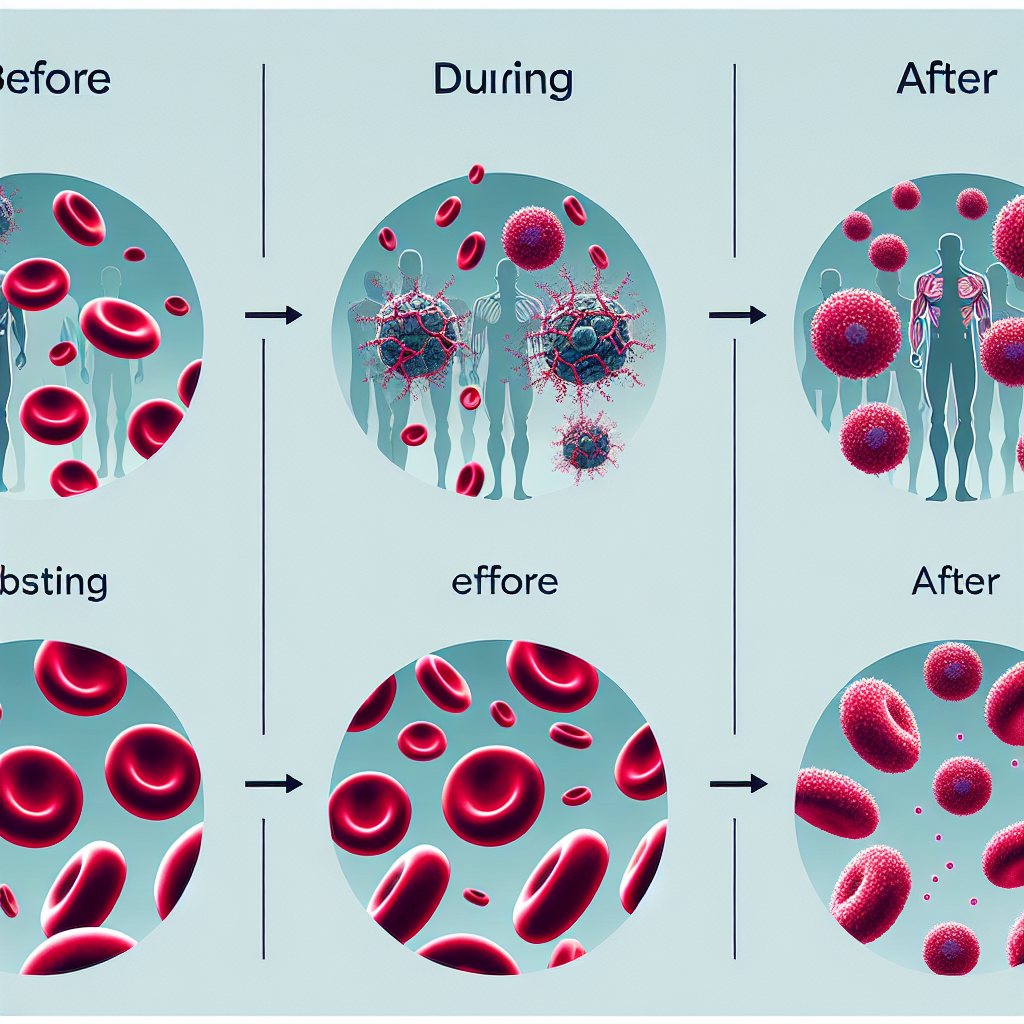
Bloodwork Before, During, and After Oxandrolone: A Comprehensive Guide
Oxandrolone, also known as Anavar, is a synthetic anabolic steroid that has gained popularity in the world of sports and bodybuilding. It is known for its ability to increase muscle mass, strength, and performance, making it a sought-after substance among athletes. However, like any other performance-enhancing drug, oxandrolone comes with potential risks and side effects. That is why it is crucial to monitor bloodwork before, during, and after its use to ensure the safety and well-being of athletes. In this article, we will delve into the importance of bloodwork in relation to oxandrolone use and provide valuable insights for athletes and researchers.
The Role of Bloodwork in Monitoring Oxandrolone Use
Before diving into the specifics of bloodwork, it is essential to understand the pharmacokinetics and pharmacodynamics of oxandrolone. This will help us understand why bloodwork is crucial in monitoring its use.
Oxandrolone is a synthetic derivative of testosterone, with a modified structure that enhances its anabolic properties and reduces its androgenic effects (Kicman, 2008). It is primarily metabolized in the liver and has a half-life of approximately 9 hours (Kicman, 2008). This means that it can stay in the body for a relatively short period, making frequent bloodwork necessary to monitor its levels.
Furthermore, oxandrolone has a high affinity for binding to sex hormone-binding globulin (SHBG), which can affect the levels of other hormones in the body, such as testosterone and estrogen (Kicman, 2008). This can lead to hormonal imbalances and potential side effects, making it crucial to monitor these levels through bloodwork.
Bloodwork Before Oxandrolone Use
Before starting oxandrolone, it is essential to conduct a comprehensive bloodwork panel to establish a baseline for comparison during and after its use. This includes a complete blood count (CBC), liver function tests, lipid profile, and hormone levels (Kicman, 2008). This baseline will help identify any pre-existing conditions or abnormalities that may be exacerbated by oxandrolone use.
For example, a high level of liver enzymes in the baseline bloodwork may indicate an underlying liver condition that could be worsened by oxandrolone use. In such cases, it is crucial to monitor liver function closely during oxandrolone use and adjust the dosage or discontinue its use if necessary.
Bloodwork During Oxandrolone Use
During oxandrolone use, regular bloodwork is necessary to monitor its levels and potential side effects. This includes monitoring liver function, lipid profile, and hormone levels, as well as checking for any changes in CBC (Kicman, 2008).
One of the main concerns with oxandrolone use is its potential to cause liver damage. Studies have shown that oxandrolone can increase liver enzymes, which can be an early sign of liver damage (Kicman, 2008). Therefore, regular liver function tests are crucial to detect any abnormalities and adjust the dosage or discontinue its use if necessary.
Moreover, oxandrolone can also affect lipid levels, leading to an increase in LDL cholesterol and a decrease in HDL cholesterol (Kicman, 2008). This can increase the risk of cardiovascular diseases, making it essential to monitor lipid levels and make necessary lifestyle changes or medication adjustments to mitigate these risks.
Lastly, monitoring hormone levels is crucial to detect any hormonal imbalances that may lead to side effects such as gynecomastia (enlargement of breast tissue in males) or virilization (development of male characteristics in females) (Kicman, 2008). Adjusting the dosage or adding other medications can help prevent these side effects.
Bloodwork After Oxandrolone Use
After completing a cycle of oxandrolone, it is essential to conduct bloodwork to assess the impact of its use on the body. This includes checking liver function, lipid profile, and hormone levels, as well as monitoring for any changes in CBC (Kicman, 2008).
One study showed that oxandrolone use can lead to a decrease in HDL cholesterol levels, which can persist even after discontinuing its use (Kicman, 2008). This highlights the importance of post-cycle bloodwork to monitor lipid levels and make necessary lifestyle changes or medication adjustments to maintain a healthy lipid profile.
Moreover, post-cycle bloodwork can also help identify any hormonal imbalances that may have occurred during oxandrolone use. This can guide the use of post-cycle therapy (PCT) to help restore hormonal balance and prevent any potential side effects (Kicman, 2008).
Real-World Examples
To further emphasize the importance of bloodwork in monitoring oxandrolone use, let us look at some real-world examples.
In a study conducted by Demling et al. (2004), 12 burn patients were given oxandrolone for 12 weeks. Bloodwork was conducted before, during, and after the use of oxandrolone. The results showed a significant increase in lean body mass and a decrease in fat mass. However, there was also a significant increase in liver enzymes, which returned to normal levels after discontinuing oxandrolone use (Demling et al., 2004). This highlights the importance of regular bloodwork to monitor liver function during oxandrolone use.
In another study by Basaria et al. (2001), 32 men with HIV were given oxandrolone for 12 weeks. Bloodwork was conducted before, during, and after the use of oxandrolone. The results showed a significant increase in lean body mass and a decrease in fat mass. However, there was also a significant decrease in HDL cholesterol levels, which persisted even after discontinuing oxandrolone use (Basaria et al., 2001). This highlights the importance of post-cycle bloodwork to monitor lipid levels and make necessary lifestyle changes or medication adjustments.
Conclusion
In conclusion, bloodwork is crucial in monitoring oxandrolone use to ensure the safety and well-being of athletes. It helps establish a baseline for comparison, detect any potential side effects, and assess the impact of oxandrolone on the body. Regular bloodwork before, during, and after oxandrolone use is necessary to monitor liver function, lipid profile, hormone levels, and CBC. Real-world examples have shown the importance of bloodwork in detecting and managing potential risks associated with oxandrolone use. Therefore, athletes and researchers must prioritize regular bloodwork when using oxandrolone to optimize its benefits and minimize its risks.
Expert Comments
“As an